
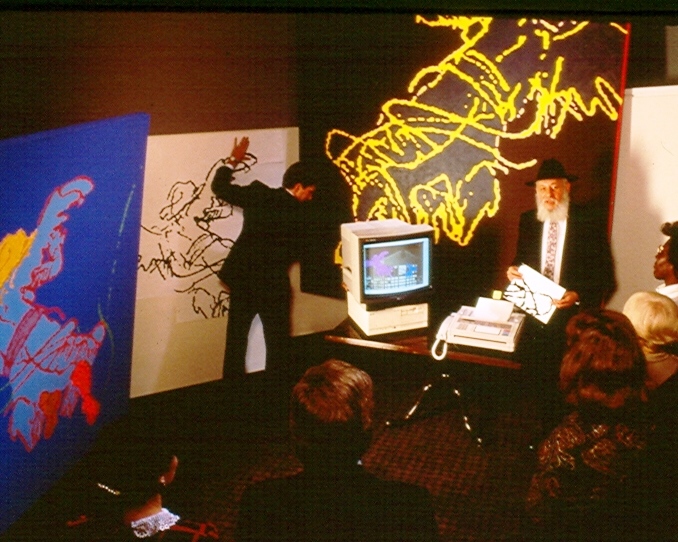
Post Digital art could be seen as an encompassing unbrella term for art movements I’ve looked at in the past such as NET.ART and Glitch Art, all forms of digital art that focus on art and artistic emlemnts inspired by the now digital world and its effects.
Schloss. Issue No 0 Digital Culture, Theory & Art: https://schloss-post.com/category/issues/digital-art/
Postdigital, in artistic practice, is an attitude that is more concerned with being human, than with being digital. Postdigital is concerned with our rapidly changed and changing relationships with digital technologies and art forms. If one examines the textual paradigm of consensus, one is faced with a choice: either the “postdigital” society has intrinsic meaning, or it is contextualised into a paradigm of consensus that includes art as a totality.
Giorgio Agamben (2002) describes paradigms as things that we think with, rather than things we think about. Like the computer age, the postdigital is also a paradigm, but as with post-humanism for example, an understanding of postdigital does not aim to describe a life after digital, but rather attempts to describe the present-day opportunity to explore the consequences of the digital and of the computer age. While the computer age has enhanced human capacity with inviting and uncanny prosthetics, the postdigital may provide a paradigm with which it is possible to examine and understand this enhancement.
In The Future of Art in a Postdigital Age Mel Alexenberg defines “postdigital art” as artworks that address the humanization of digital technologies through interplay between digital, biological, cultural, and spiritual systems, between cyberspace and real space, between embodied media and mixed reality in social and physical communication, between high tech and high touch experiences, between visual, haptic, auditory, and kinesthetic media experiences, between virtual and augmented reality, between roots and globalization, between autoethnography and community narrative, and between web-enabled peer-produced wikiart and artworks created with alternative media through participation, interaction, and collaboration in which the role of the artist is redefined.
In addition to the wide scope of artistic discourse, the notion of postdigital is emerging as a term that describes the exploration of our relationship to the computer age as a dominant paradigm in a time of global mixing, intertwined economies, population certainty and planetary limits, for example in the work of Berry (2014). Roy Ascott has demonstrated that the distinction between the digital and the “postdigital” is part of the economy of reality.
I feel that my work best falls into post digital because my practice this term deals with a human element and how it can best be expressed through digital means. Though it could also be NET.ART it falls into that sphere of the humanisation of technology.
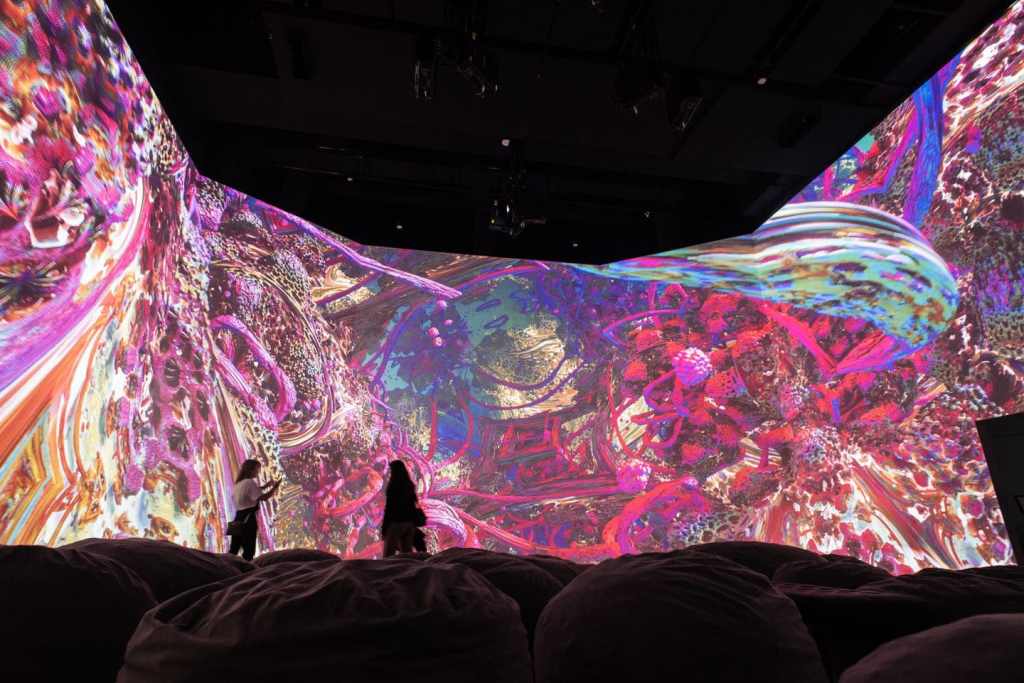
Artechouse: Living at the corner of art and technology: https://www.washingtonpost.com/entertainment/museums/artechouse-living-at-the-corner-of-art-and-technology/2018/10/11/c359864a-c29c-11e8-97a5-ab1e46bb3bc7_story.html
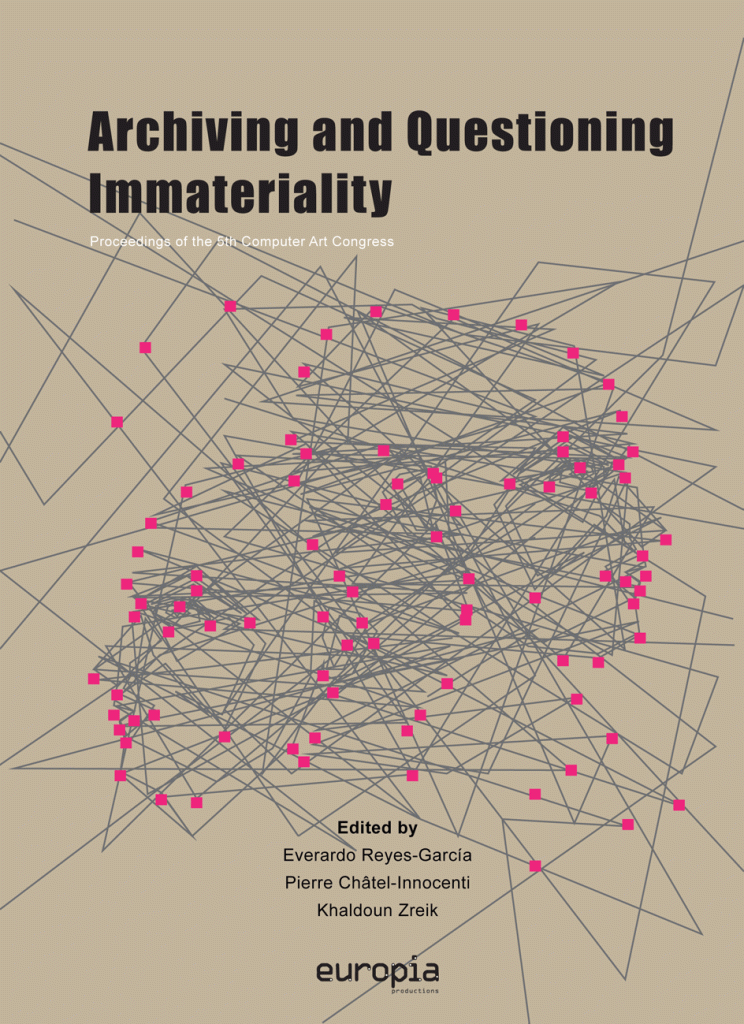
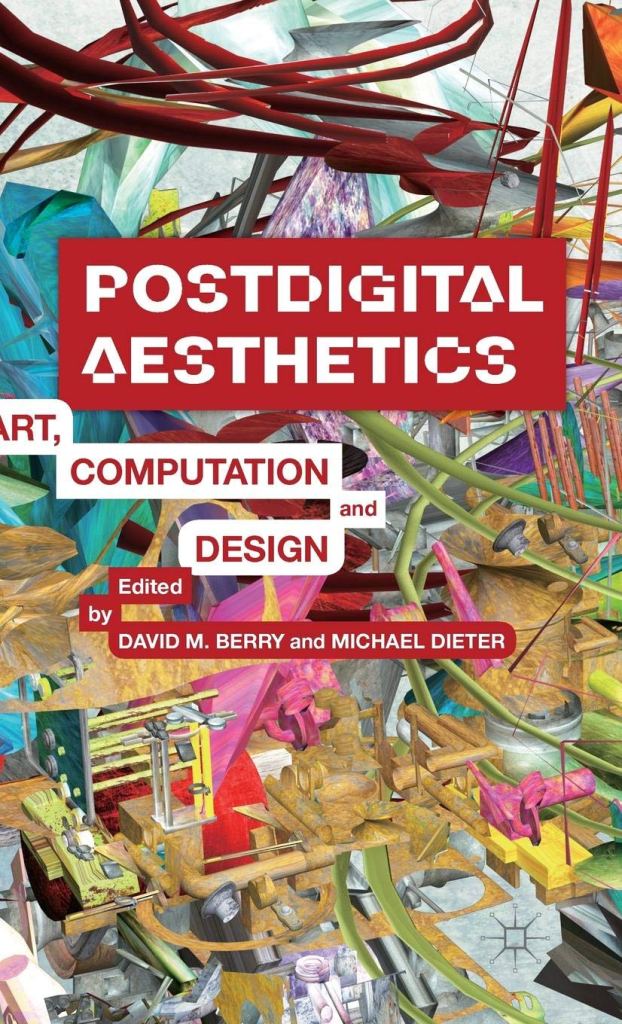
Two Books I have downloaded PDFs of and used to reserch terms and ideas about the art movement are ‘Archiving and Questioning Immateriality’ (Reyes-Garcia, Chatel-Innocenti, Zreik 2016). Also ‘Postdigital Aesthetics: Art, Computation and Design’ (Berry, Dieter 2014).

 --BLANKBRAIN--