
Artist website: http://markamerika.com/
GRAMMATRON: https://www.grammatron.com/
Immobilite: http://www.immobilite.com/
Alt-X Online Network: http://www.altx.com/althome2.html
Glitch Museum: http://glitchmuseum.com/pixelmash.html
Mark Amerika is an American artist, theorist, novelist and Professor of Art and Art History at the University of Colorado. He is a graduate of the Literary Arts program at Brown University where he received his MFA in Creative Writing in 1997.
Amerika’s work has been exhibited internationally. In 2000, his net art work GRAMMATRON was selected for the Whitney Biennial of American Art. Other exhibitions of his work have taken place in venues such as the Denver Art Museum, the Institute of Contemporary Arts in London, and the Walker Art Center. In 2009-2010, The National Museum of Contemporary Art in Athens, Greece, hosted Amerika’s comprehensive retrospective exhibition entitled UNREALTIME. In 2009, Amerika released Immobilité, generally considered the first feature-length art film ever shot on a mobile phone. He is the author of many books including The Kafka Chronicles (FC2/University of Alabama Press, 1993), Sexual Blood (FC2/University of Alabama Press, 1995), META/DATA: A Digital Poetics (The MIT Press, 2007) and remixthebook (University of Minnesota Press, 2011 — remixthebook.com).
Amerika is the publisher of the Alt-X Online Network, a website of online art, literature and new media theory that he began as a Gopher site in late 1992. The site includes the Alt-X e-book press, early versions of the electronic book review, Alt-X Audio, the Hyper-X net art gallery, and an assortment of interviews with both mainstream and alternative literary writers from the late 20th century. His widely translated Avant Pop Manifesto was first released on Alt-X in 1993.
Amerika’s art work, “Museum of Glitch Aesthetics”, was commissioned by the Abandon Normal Devices Festival in conjunction with the London 2012 Olympics. The project was part of his survey exhibition, Glitch. Click. Thunk, at the University Art Galleries at the University of Hawaii.[
In late 2013, he was the Labex Arts-H2H International Research Chair at the University of Paris 8. Prior appointments include Visiting International Professor at the Royal Melbourne Institute of Technology, the Honors Program at the National University of Singapore, University of Technology Sydney, and Falmouth University.
Amerika published Locus Solus (An Inappropriate Translation Composed in a 21st Century Manner) with Counterpath Press in 2014. The work is described as an “auto-translation / remix” of the French novel Locus Solus published by author Raymond Roussel one hundred years earlier in 1914. According to the book’s afterword, Amerika, who does not read or write in French, composed the work using online translation programs.
In 2015, Amerika was appointed the Founding Director of a new doctoral program in Intermedia Art, Writing and Performance in the College of Media, Communication and Information at the University of Colorado
THE AESTHETIC OF AMERIKAS WORK:
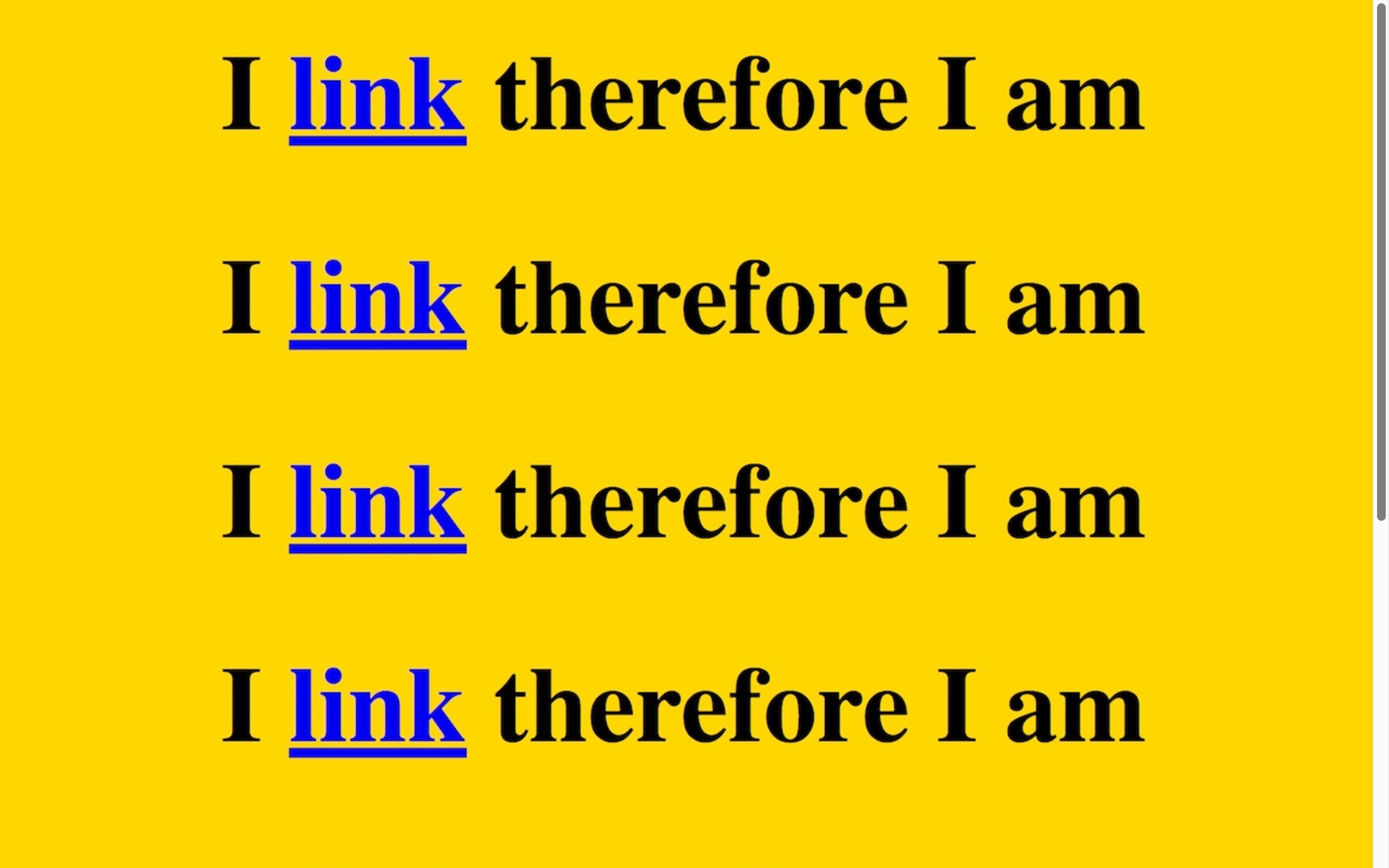
Mark Amerikas work uses the occurrence and possibility of glitches and problems to create work that both celebrates and critiques technology and its uses. His works utilize all aspects of technology from the visuals to sound to the hardware used to interact and create them. It would be fairly appropriate to say that his method of creating work is not just the perfect embodiment of Glitch Art but also Net Art as his work centers around technology and the internet as exampled by works such as GRAMMARTRON which take the form of an interactive website.
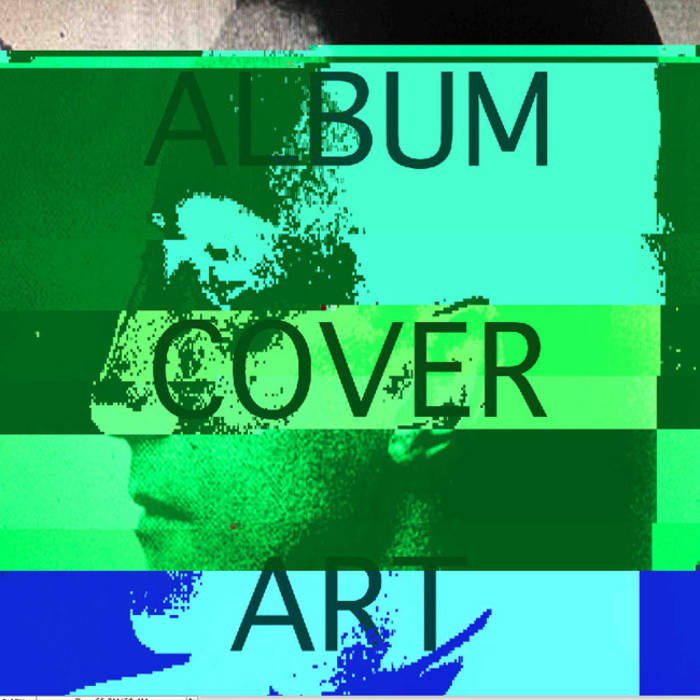
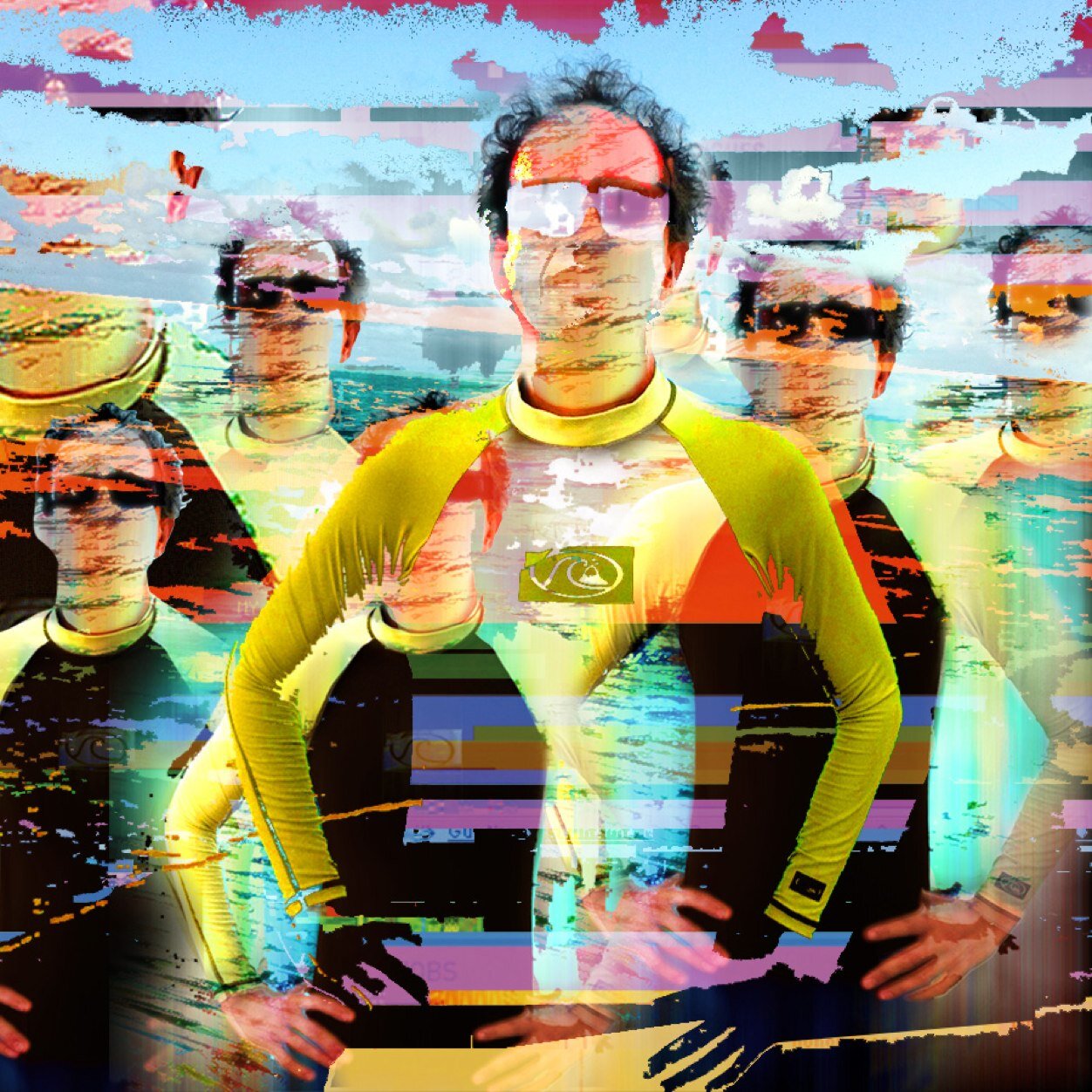
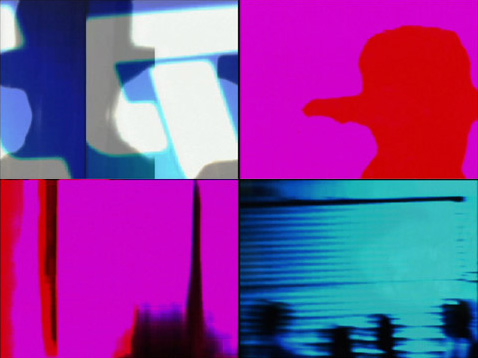
Amerikas Glitch Art is bold and colorful and usually projected or displayed when it is physically, in an extravagant way with projections and props used to manufacture a space in which the work can be appreciated and convey its ideas. This removing of the idea of Glitches from the online world and placing them in the material world is a key aspect of Net Art but one which conforms more to Glitch Art as it empathizes impurities in tech.

 --BLANKBRAIN--